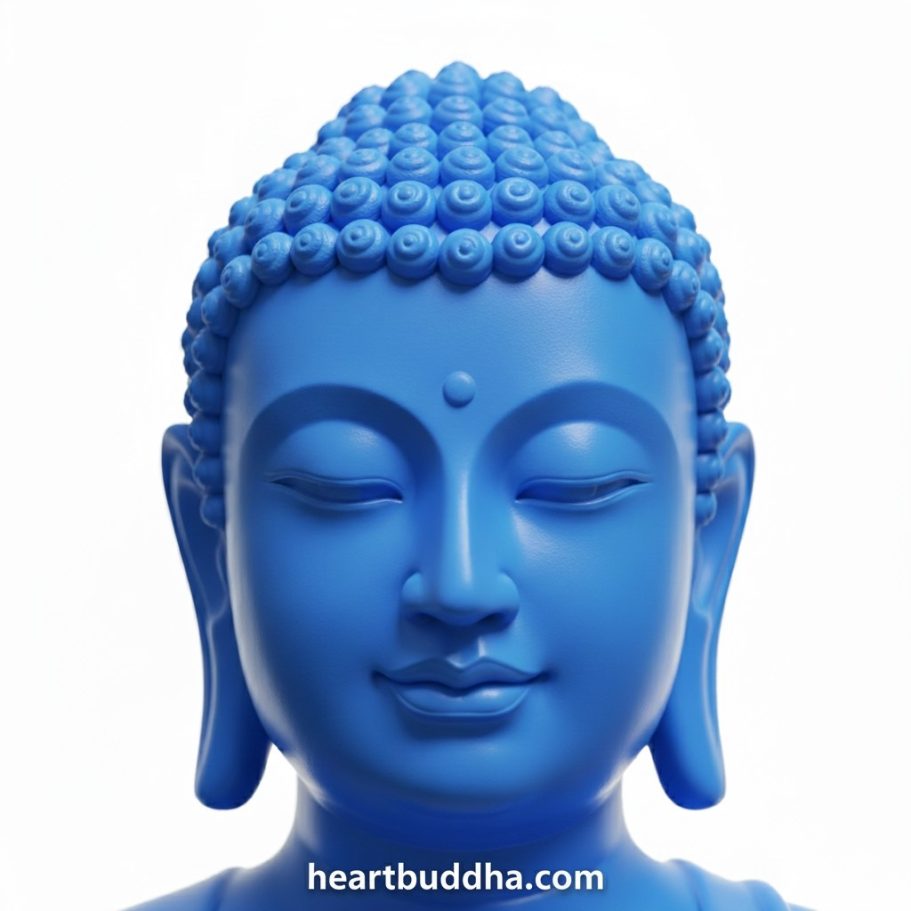
Anxiety and Meditation: Finding Calm in a Busy Mind
Anxiety has become one of the most common emotional experiences of modern life. From constant notifications and tight schedules to uncertainty about the future, many people feel as though their minds are always racing. Meditation, an ancient practice rooted in awareness and presence, has emerged as a powerful and accessible tool for calming anxiety and restoring inner balance.
Understanding Anxiety
Anxiety is the mind’s natural response to perceived danger or stress. In small amounts, it can be helpful—keeping us alert and
prepared. But when anxiety becomes chronic, it can affect both mental and physical health.
Common symptoms of anxiety include:
- Racing or intrusive thoughts
- Restlessness or difficulty relaxing
- Tightness in the chest or shallow breathing
- Trouble sleeping
- Constant worry about the future
Anxiety often pulls us out of the present moment, anchoring our attention in past regrets or future fears.
What Is Meditation?
Meditation is the practice of intentionally focusing the mind to cultivate awareness, calm, and clarity. Contrary to popular belief, meditation is not about stopping thoughts altogether—it is about observing them without judgment.
There are many forms of meditation, including:
- Mindfulness meditation
- Breath-focused meditation
- Loving-kindness (metta) meditation
- Body scan meditation
- Mantra meditation
Each approach gently trains the mind to return to the present moment.
How Meditation Helps with Anxiety
Meditation works with anxiety by changing our relationship with thoughts and emotions rather than trying to eliminate them.
1. Brings Awareness to the Present
Anxiety thrives in imagined futures. Meditation anchors attention in the now—where safety often already exists.
2. Calms the Nervous System
Slow, mindful breathing activates the parasympathetic nervous system, signaling the body that it is safe to relax.
3. Reduces Overidentification with Thoughts
Through meditation, we learn that thoughts are events in the mind—not absolute truths. This creates emotional space and relief.
4. Builds Emotional Resilience
Regular practice strengthens the ability to respond calmly rather than react impulsively to stress.
Scientific studies have shown that consistent meditation can reduce symptoms of anxiety, lower cortisol levels, and improve overall well-being.
A Simple Meditation for Anxiety (5 Minutes)
You don’t need hours of silence to benefit. Try this simple practice:
- Sit comfortably or lie down.
- Close your eyes and take a slow breath in through your nose.
- Exhale gently through your mouth.
- Bring attention to the sensation of breathing.
- When thoughts arise, notice them kindly and return to the breath.
- Continue for 5 minutes.
Even short, consistent sessions can make a meaningful difference.
Making Meditation a Daily Habit
To integrate meditation into your life:
- Start small (2–5 minutes)
- Choose the same time each day
- Create a calm, inviting space
- Be patient with yourself
Meditation is a practice, not a performance. Some days will feel peaceful; others may feel restless. Both are part of the journey.
Final Thoughts
Anxiety does not mean something is wrong with you—it means your nervous system is asking for care. Meditation offers a gentle way
to listen, slow down, and reconnect with inner stillness.
With time and consistency, meditation can become a steady refuge—a place of calm you can return to, no matter what life brings.
You are allowed to pause. You are allowed to breathe. Calm is something you can practice.